
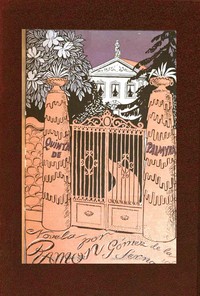
La quinta de Palmyra by Ramón Gómez de la Serna
Ever felt like a house has a personality? In La quinta de Palmyra, a man inherits a dilapidated villa from his reclusive aunt, Palmyra. He arrives expecting a project, but finds a puzzle. The garden is an impenetrable thicket, the rooms are frozen in time, and the local townspeople speak of his aunt in hushed, cryptic tones.
The Story
The plot is simple on the surface. Our unnamed narrator moves in and starts the slow process of reclaiming the estate from nature's grip. But as he clears vines and airs out dusty rooms, he isn't just restoring a building—he's piecing together a life. Through old letters, forgotten objects, and the reluctant, piecemeal stories from neighbors, the shadowy figure of Palmyra comes into focus. She wasn't just eccentric; she was a woman who deliberately turned her back on the world, cultivating her isolation like one of the wild plants in her garden. The central question becomes: why? What happened to make her choose this green, silent prison? The 'conflict' is the narrator's struggle against the overwhelming atmosphere of the place and his growing obsession with understanding the ghost whose home he now occupies.
Why You Should Read It
This book got under my skin. Gómez de la Serna is a master of atmosphere. He makes you feel the dampness of the leaves, hear the oppressive silence, and sense the weight of the past in every corridor. Palmyra never appears alive in the story, yet she feels more present than the narrator. It's a brilliant study of solitude and the stories we leave behind in our spaces. It made me look at old, quiet houses completely differently. This isn't a Gothic thriller with jump scares; it's a psychological slow burn. The tension comes from the quiet unease of discovering someone else's profound sadness, bit by bit.
Final Verdict
Perfect for readers who love character-driven stories where the setting is a main character. If you enjoyed the moody introspection of novels like Rebecca or the quiet, observational style of some of Penelope Fitzgerald's work, you'll find a lot to love here. It's also a great pick for anyone interested in early 20th-century Spanish literature beyond the usual big names. Fair warning: it's a contemplative, slow-paced read. Don't come looking for a fast plot. Come ready to wander through a mysterious garden and sit with the echoes of a life lived in defiant solitude.
This historical work is free of copyright protections. Feel free to use it for personal or commercial purposes.






Sarah Lewis
2 months agoBased on the summary, I decided to read it and it challenges the reader's perspective in an intellectual way. Worth every second.